

Sports Betting in Nigeria: A Complete Guide
Explore Nigeria’s booming sports betting scene 🏟️, legal rules 📜, top platforms 📱, smart betting tips 🎯, challenges faced 🚧, and its impact on fintech & entertainment 💰.
Edited By
Thomas Green
Sports betting with the naira has grown significantly in Nigeria, driven by widespread internet access and smartphone usage. Nigerians now place bets on football, basketball, and other sports through various online platforms and local betting shops.
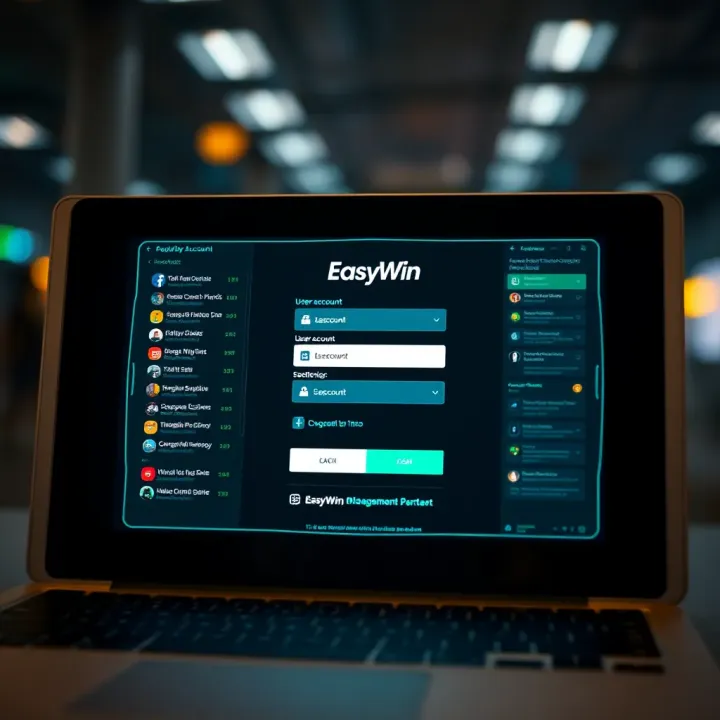
Pre-match Betting – Bets placed before a game starts, predicting outcomes such as which team wins or the exact scoreline.
Live Betting – Wagers placed during the game, allowing bettors to respond to the match dynamics in real-time.
Accumulator Bets – Combining multiple selections into one bet, where all outcomes must be correct to win; popular for increasing potential returns.
Virtual Sports Betting – A growing trend where bets are placed on computer-simulated sports events.
Nigerians engage mainly through smartphone apps from operators like Bet9ja, NairaBet, and Merrybet, which accept deposits and payouts in naira.
Payment options have expanded beyond cash, with electronic methods becoming prevalent. Common channels include:
Bank Transfers: Using modified USSD codes from banks such as GTBank and Access Bank.
Mobile Money Services: OPay and PalmPay facilitate quick deposits.
Digital Wallets: Integration with platforms like Paystack and Flutterwave ensures smooth transactions.
These methods simplify betting and reduce reliance on physical shops, especially important amid power and transport challenges in cities like Lagos and Kano.
Betting in Naira is convenient and accessible, but it's essential to choose licensed operators to avoid scams and ensure regulatory compliance.
The National Lottery Regulatory Commission (NLRC) oversees sports betting in Nigeria, requiring operators to hold valid licences. Despite this, the regulatory environment remains complex, with federal and state bodies sometimes issuing conflicting directives.
Naira betting sites must follow anti-money laundering rules and ensure consumer protection, but enforcement can be patchy. Users should verify licences before committing funds.
Betting can be enjoyable but carries risks such as addiction and financial loss. Nigerians are advised to:
Set budgets and stick to them.
Avoid chasing losses.
Recognise signs of problem gambling.
Operators increasingly provide tools like deposit limits and self-exclusion options to support responsible gaming.
Understanding these aspects helps bettors make informed decisions and enjoy betting as entertainment rather than a money-generating venture.
This overview covers the essentials of naira sports betting in Nigeria, outlining how the market operates, payment methods in use, and the legal settings shaping the experience. The next sections will delve deeper into notable platforms and the broader economic impact of this growing sector.
Sports betting using the naira has grown into a significant part of Nigeria’s entertainment and economic sectors. It connects avid sports fans with the opportunity to place wagers on outcomes, often turning passion for games into financial stakes. Understanding how this works offers practical benefits, such as recognising which sports dominate betting activity and grasping the mechanics behind betting with the Nigerian currency.
Within Nigeria, using the naira simplifies transactions and appeals directly to local bettors who prefer straightforward access without currency conversion complexities. This convenience boosts participation, especially given Nigeria’s widespread mobile and internet usage. For example, many players fund bets easily through local platforms like OPay or Paystack, which accept naira payments.
Naira sports betting involves placing wagers on sports events where all transactions and winnings are handled in Nigerian naira (₦). Bettors predict outcomes such as match winners, final scores, or player performances. Platforms hosting these bets are local or international but provide naira as the currency for ease and accessibility.
This form of betting is often linked with digital wallets, bank transfers, and even POS terminals in betting shops. Because it is denominated in naira, bettors avoid the hassle of exchange rates and fees, making it more attractive and practical for everyday users across Nigeria.
Football stands as the undisputed king of sports betting in Nigeria. From local league matches like the Nigerian Professional Football League (NPFL) to international tournaments such as the English Premier League and the FIFA World Cup, football attracts the highest volume of bets. Its popularity ties to the country’s passion for the sport, extensive media coverage, and availability of detailed match statistics which bettors use to make informed decisions.
Betting options include predicting match winners, exact scores, goal totals, and even special bets like which player will score first. Nigerian bettors frequently engage with football betting as it offers a mixture of excitement, statistical analysis, and the chance to earn winnings in naira.
Basketball has gained substantial traction in Nigeria, especially with the success of Nigerian players abroad and the rising profile of the Nigerian national team. Betting on basketball games, including the NBA and AfroBasket, is growing steadily.
This sport appeals to bettors who enjoy fast-paced games and varied betting markets such as point spreads, total points scored, and player performance props. Basketball betting in naira encourages fans to engage with both local and international leagues without currency friction.
Boxing holds a nostalgic place in Nigerian sports culture and remains a favourite among bettors, especially during major bouts involving Nigerian or African fighters. Betting on boxing matches often focuses on the outcome by rounds, knockout predictions, and fighter statistics.
Besides these, niche sports like tennis, athletics, and even eSports attract bets, though at smaller scales. These options diversify the betting market, offering alternatives for those who want to move beyond football and basketball. The accessibility of naira betting makes it easy for fans of these sports to participate without dealing with foreign currency constraints.

Betting in naira gives Nigerian sports enthusiasts a straightforward, practical way to enjoy their hobbies while potentially earning from their knowledge of sports.
This overview sets the stage for deeper discussions about how individuals access these platforms, manage risks, and what regulations govern the burgeoning industry.
Sports betting using the naira has become a widespread activity across Nigeria, blending easily with daily life and tech habits. Understanding how Nigerians engage with betting platforms—whether online or offline—gives a clearer picture of the industry's reach and appeal. This knowledge helps bettors make informed decisions, while stakeholders can tailor services to meet local needs effectively.
The rise of affordable smartphones and expanding internet coverage has propelled online sports betting. Popular platforms like Bet9ja, NairaBet, and Merrybet offer mobile apps and websites that allow bet placement anytime, anywhere. These platforms are designed for quick transactions in naira, supporting mobile money and bank card payments. For example, a user in Lagos can bet on a football match using the Bet9ja app during a break at work, directly funding their account through GTBank’s mobile app.
Online betting offers convenience and a wide selection of markets, but it also demands good internet access and smartphone familiarity. Many Nigerians enjoy this option for the flexibility it provides, especially in urban areas with decent network coverage.
Despite the online boom, retail betting shops remain vital, especially in regions where internet access is limited or erratic. These shops are often found in busy markets and motor parks, the kind of places where a daily danfo driver or mama put could step in and place a bet on football or basketball.
In these shops, bettors interact directly with attendants who handle bet placements and payouts in cash. Retail shops also appeal to those who prefer face-to-face transactions or are less comfortable with digital interfaces. For instance, in a town like Ibadan, retail shops keep sports betting accessible without the need for a smartphone or online accounts.
Single bets are straightforward wagers on one outcome from a sports event. Commonly preferred by beginners, they involve placing a stake on, say, a football team to win a specific match. If the selected team wins, the bettor earns a return based on the odds. This simplicity suits bettors who want less risk.
For example, a bettor might place a single bet of ₦500 on Nigeria’s Super Eagles to win their next match. If they win, the payout is calculated by multiplying the stake by the odds, making it easy to track wins.
Accumulator bets combine multiple single bets into one, increasing the potential reward but also the risk. All selections must win for the accumulator to pay out. For instance, a bettor may wager on four different football matches, expecting all four outcomes to be correct to get a bigger return.
This type is popular because it offers higher returns for a relatively small stake—say ₦200—but requires careful analysis. Although tempting, accumulators can be tricky since just one wrong prediction causes a total loss.
Live betting lets bettors place wagers on events as they unfold in real-time. This dynamic form adds excitement and requires quick decisions, ideal for those who watch matches closely or follow live updates.
For example, during a basketball game, a bettor might wager on which team will score the next basket or the final point difference. This option demands sharp attention but offers flexibility not found in pre-match betting.
Access to various betting platforms and types empowers Nigerians to engage with sports betting at their own pace, style, and comfort level, reflecting the country's diverse preferences and infrastructure.
Understanding these participation methods helps bettors navigate the industry more effectively and promotes safer, smarter betting choices.
Understanding the legal and regulatory framework behind sports betting in Nigeria is vital for both bettors and operators. This framework ensures transparency, protects consumers, and maintains the integrity of the industry. It also helps the government collect revenue and tackle illegal betting activities that could harm players and the economy.
The National Lottery Regulatory Commission (NLRC) plays a central role in overseeing sports betting in Nigeria. It grants licences to betting operators and sets the standards they must follow. For example, operators are required to protect customer funds and prevent underage gambling. The NLRC also monitors betting activities to ensure fair play and compliance with Nigerian laws. By regulating the sector, the commission helps curb fraud and boosts public confidence in both online and retail betting platforms.
To operate legally, sports betting companies must obtain licences from regulatory bodies like the NLRC. These licences require operators to meet strict criteria, including financial stability, transparency, and adherence to responsible gaming practices. An operator without a licence cannot legally offer betting services in Nigeria. For instance, major platforms such as Bet9ja and NairaBet have active licences that allow them to run safely within the Nigerian market. Licencing not only legitimises their operations but also protects bettors by ensuring disputes can be formally resolved.
Despite regulations, enforcement remains a challenge in Nigeria due to the size and informality of the betting market. Many unlicensed bookmakers operate, especially in busy cities and online, evading oversight. This can expose bettors to fraud, unfair odds, and lack of recourse in disputes. Additionally, the digital nature of some platforms makes it difficult for regulators to track transactions and monitor compliance. Limited resources and overlapping responsibilities among agencies sometimes slow down enforcement efforts. Still, continuous collaboration between regulators, law enforcement, and stakeholders aims to address these issues and tighten controls.
Legal clarity and strong oversight encourage a safer betting environment, which benefits both the industry and Nigerian consumers.
In summary, the NLRC's regulation and licensing process are crucial pillars for the development of transparent and trustworthy sports betting in Nigeria. While enforcement struggles persist, ongoing improvements seek to protect bettors' interests and grow the sector responsibly.
Managing risks and encouraging responsible betting are essential when discussing naira sports betting in Nigeria. The betting industry, while offering excitement and financial opportunities, also exposes players to addiction and potential financial losses. Understanding these risks helps protect both novices and experienced bettors from harmful patterns.
Sports betting addiction can develop gradually, often overlooked until significant losses occur. For example, a bettor might start with casual wagers on football games but gradually increase stakes to recover losses or chase bigger wins. This behaviour can spiral, draining savings meant for essentials like bills or family support.
Financial risk is another key factor. Betting without a clear budget could lead to overspending, especially amid fluctuating naira values and economic pressures common in Nigeria. A bettor might use money set aside for transport or food, which worsens their financial stability. It is important to see betting as entertainment, not a reliable income source.
Setting limits means deciding beforehand how much money and time you will dedicate to betting. This practice keeps the activity enjoyable and reduces the chance of financial harm. For instance, a bettor might set a weekly budget of ₦5,000, ensuring they don’t spend more than planned even on exciting matches.
Limits should also include time management. Avoid betting during work hours or late at night when judgment can slip. Using features on betting apps to set deposit or loss limits can provide an extra layer of control.
Chasing losses is a common trap where bettors try to recover lost money by placing riskier bets. This habit often leads to even heavier losses. Imagine someone who loses ₦10,000 on a match but instead of stopping, bets ₦20,000 on a less certain outcome.
Sticking to your set limits and accepting losses as part of the game is key. Betting is unpredictable, and chasing losses usually worsens the problem instead of solving it.
If betting begins to feel overwhelming or uncontrollable, seeking support is crucial. This might mean talking with trusted friends or family, or reaching out to counselling services specialising in gambling issues.
In Nigeria, some NGOs and helplines provide assistance for gambling-related problems. Early intervention can prevent harm spiralling into severe addiction or financial ruin.
Responsible betting protects your finances and mental health. Managing limits, avoiding risky behaviour, and seeking help when needed make sports betting a safer, more enjoyable pastime.
By keeping these points in mind, Nigerian bettors can enjoy the thrill of sports betting without falling into traps that hurt their wellbeing or finances.
Sports betting using the naira is more than just entertainment in Nigeria; it contributes meaningfully to the economy and reflects emerging trends that shape the industry’s future. Understanding this impact helps grasp why betting platforms engage millions of Nigerians and how the government and private sector benefit.
The sports betting sector creates jobs across several layers. From frontline staff at retail shops to tech developers behind betting apps, many Nigerians find work here. For example, Lagos hosts hundreds of betting shops requiring cashiers, customer service officers, and security personnel. On the digital side, software engineers, data analysts, and marketing professionals power online platforms like BetKing, NairaBet, and Merrybet.
This labour demand supports income generation in both formal and informal economies, especially in urban areas. Many young people count on these jobs for steady pay or as side hustles, helping alleviate unemployment pressures.
Government agencies collect taxes on betting operators and winnings. The National Lottery Regulatory Commission (NLRC) enforces licensing, ensuring companies comply with tax obligations. Revenues from sports betting help fund public projects such as infrastructure and education.
Though exact numbers fluctuate, reports suggest the betting industry contributes billions of naira annually in tax revenue. This inflow becomes crucial for state governments, who use some proceeds to support local services and regulatory frameworks.
The growth of internet access and smartphone use in Nigeria drives constant innovations in sports betting technology. Operators now deploy secure mobile apps and USSD codes for easy wagers, reaching customers beyond major cities. Payment methods such as Paystack, Flutterwave, and direct bank transfers simplify depositing and withdrawing naira.
Besides accessibility, platforms use live streaming, real-time odds, and artificial intelligence to personalise recommendations. These features boost user engagement and redefine how Nigerians experience betting.
Sports betting has become a cultural fixture, especially around football seasons and major tournaments. The convenience of betting with naira allows many Nigerians to participate regularly, whether at a local shop or online.
Social media and word-of-mouth fuel excitement, as bettors share tips and celebrate wins. This popularity encourages more operators to enter the market, intensifying competition and driving innovation. However, it also demands vigilance to promote responsible gambling.
The legal framework for sports betting remains under adjustment. The NLRC continually updates licensing rules, aiming to protect consumers and curb illegal operators. Meanwhile, the Nigerian Communications Commission (NCC) monitors digital platforms to prevent fraud and data breaches.
Recent proposals seek clearer tax guidelines and stricter adherence to responsible gaming protocols. These regulatory moves aim to balance industry growth with social welfare needs, ensuring sustainability.
Sports betting with naira is transforming from a casual hobby into a recognised sector with real economic clout. Staying informed about its financial contributions and evolving rules helps bettors and stakeholders navigate the market wisely.
Explore Nigeria’s booming sports betting scene 🏟️, legal rules 📜, top platforms 📱, smart betting tips 🎯, challenges faced 🚧, and its impact on fintech & entertainment 💰.

🏆 Discover how to bet smart with Easywin App Nigeria! Get tips, payment methods, app security, and legal info to boost your ₦ winnings on local & global sports.

🎯 Discover Easywin, Nigeria’s trusted online sports betting platform! Learn its features, payment methods, safety tips, promotions, and how to start betting responsibly today.

⚽ Easywin soccer betting is simple and accessible for Nigerian bettors. Learn types of bets, safe payment options, tips, and avoid common pitfalls confidently today!
Based on 11 reviews